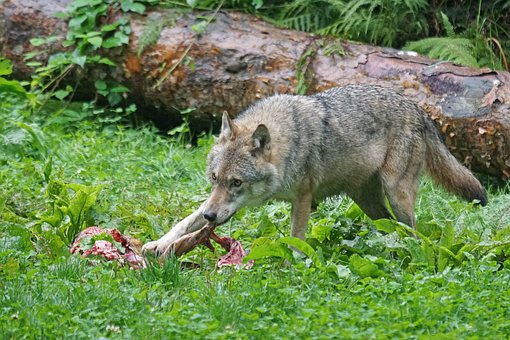
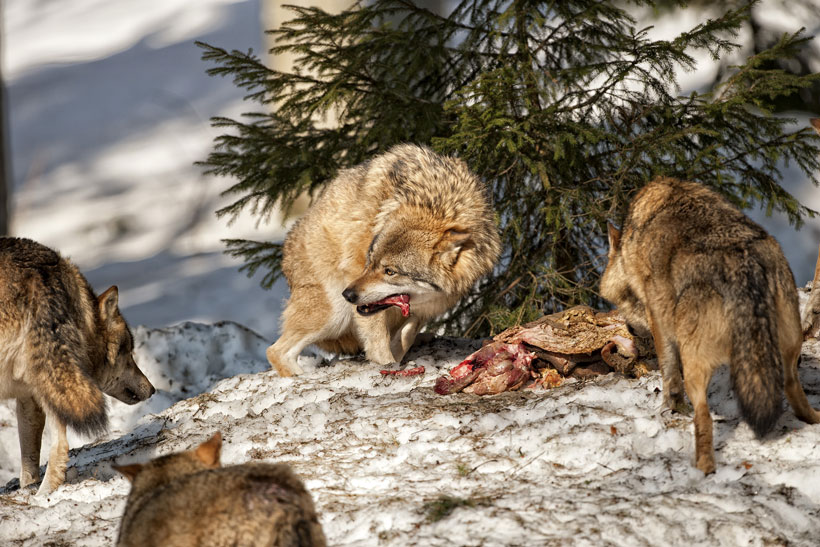
If you were a grey wolf, it would be hard to imagine a more hostile environment than this state, into which 25 wolves have been involuntarily and violently extradited from their natural homes. It is reminiscent of illegal immigrants from south of the border being deported to prisons in unfamiliar countries like South Sudan and Uzbekistan. Those people have at least been accused of committing some crime. But what exactly have these wolves done to deserve such a fate?

Wolves are among history’s most hated creatures. Writers have taught children for centuries to fear the Big Bad Wolf. Think of the villains in “Little Red Riding Hood” and at least three other Grimm’s fairy tales, or “The Three Little Pigs,” or at least four Aesop’s Fables including “The Wolf in Sheep’s Clothing” and “The Boy Who Cried Wolf,” and even Prokofiev’s symphony “Peter and the Wolf.” The wolf is always the bad guy, who might eat your granny, or maybe huff and puff and blow your house down.
One website identifies over 20 classic folk stories, fables, and fairy tales that feature wolves as the scoundrels. No wonder we grow up disliking wolves. Today there are more sympathetic writers, often pointing out that wolves, like people, are social animals that live in packs, mate for life, and work together. One critic of children’s stories explains that “In fables, the wolf is typically a beast of prey.” Gee, I wonder if that is because real wolves are in fact beasts of prey.
What did Colorado voters who decided to import wolves expect? That the animals would grow lettuce in secret gardens, safeguard the bunnies, frolic in old-growth forests, and perform moon-howling concerts for the enjoyment of the townspeople?
In fact, wild animals will do what they must to survive, as wolves have done for centuries. They hunt, kill, eat, and repeat. If not, they die. Sadly, those are the choices for Colorado’s wolves: trapped, harassed, tranquilized, flown in noisy airplanes or driven for 17 hours in a steel cage, collared, vaccinated, and thrown into strange surroundings in front of photographers and politicians. They have done their best, running fast, migrating amazing distances, at least one pair raising a litter, and steering clear of people when possible. But they still must eat, which means hunting and killing. They are highly evolved, clever, and efficient at it.
To date, the imported wolves and their offspring are known to have killed 6 ewes, 6 lambs, 6 cows, 12 calves, 6 yearlings, and a dog. A total of 37 have fallen victim and the State is on the hook for hundreds of thousands of dollars in damage. The program has cost millions more than voters were promised, and some legislators are unhappy. But it has been no picnic for the wolves, either. In fact, more than half those kidnapped (from Oregon and British Columbia) and brought to Colorado since 2023 have died. It is not an inspiring story.
Two have been killed by lions and one by another wolf. But 7 have been shot, one killed by a car, another by a legal coyote trap, and two more still under investigation. One entire pack was trapped again (minus the father who had been shot), because they killed too many livestock in Grand County, and unceremoniously dumped into Pitkin County, where one was soon shot for the same reason, by the same agency that captured and moved it. One pup that escaped was subsequently shot, too. Colorado has not been good to these wolves, and Wyoming was even less welcoming to the three who dared cross that border.
Do not mistake me, I do not blame State officials for this program, which was required by Front Range voters in what must be history’s greatest lesson in the folly of managing wildlife by ballot initiatives. Nor can anyone blame ranchers who are understandably upset by the damage these animals are doing to a vitally important industry. The wolves were doing fine where they were, but Colorado has more people, twice as many head of cattle as British Columbia and a million more than Oregon, as well as four times more sheep.
Fortunately, federal pressure and the end of cooperation from other states forced Colorado to put the reintroduction program on hold for this year. That gives officials, and perhaps voters, time to reconsider. The pause may not seem lucky to Boulder-Denver voters who romanticize nature – but it certainly is for the wolves. Does anyone care about them?
See more from Greg Walcher here