SPLC’s Targeting of Western Ranchers: A Pattern of Manufactured Extremism
By Marjorie Haun
A federal grand jury in Montgomery, Alabama, indicted the Southern Poverty Law Center (SPLC) on April 21, 2026, on 11 counts of wire fraud, false statements to a federally insured bank, and conspiracy to commit concealment money laundering. Known for decades as a radical left-wing group that has painted conservatives and conservative groups as “extremist” or “white supremacist” for Judeo-Christian values and traditional stances on the role of government, the SPLC is in reality a citadel of hypocrisy.
According to the U.S. Department of Justice, between 2014 and 2023 the SPLC secretly funneled more than $3 million in donated funds to individuals associated with violent extremist groups—including the Ku Klux Klan, Aryan Nations, and National Socialist Party of America—while duping donors with promises to dismantle “white supremacy” and “hate.” Acting Attorney General Todd Blanche stated that the SPLC was “manufacturing the extremism it purports to oppose by paying sources to stoke racial hatred,” using the very groups it publicly condemned to justify its existence and fundraising.
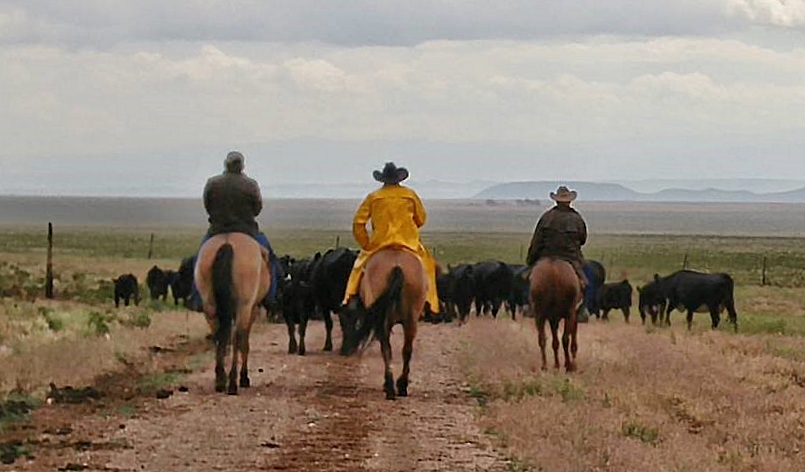
The so-called civil rights group didn’t just target (manufactured) skinheads and KKK members. Western ranchers and their families locked in legitimate disputes over public-lands grazing rights have been on the receiving end of SPLC’s dishonest and cruel disinformation campaigns.
In report after report, the SPLC portrayed ranching families such as the Hages and the Bundys of Nevada and the Hammonds of Oregon and their decades-old struggles with federal land agencies as dangerous outbursts of the “radical right.” These peaceful ranching families who had grazed cattle on the Western range for generations suddenly found themselves labeled as threats to democracy, their names and faces smeared in national media as symbols of extremism when their only “crimes” were asserting their private property rights and seeking access to water which they owned.
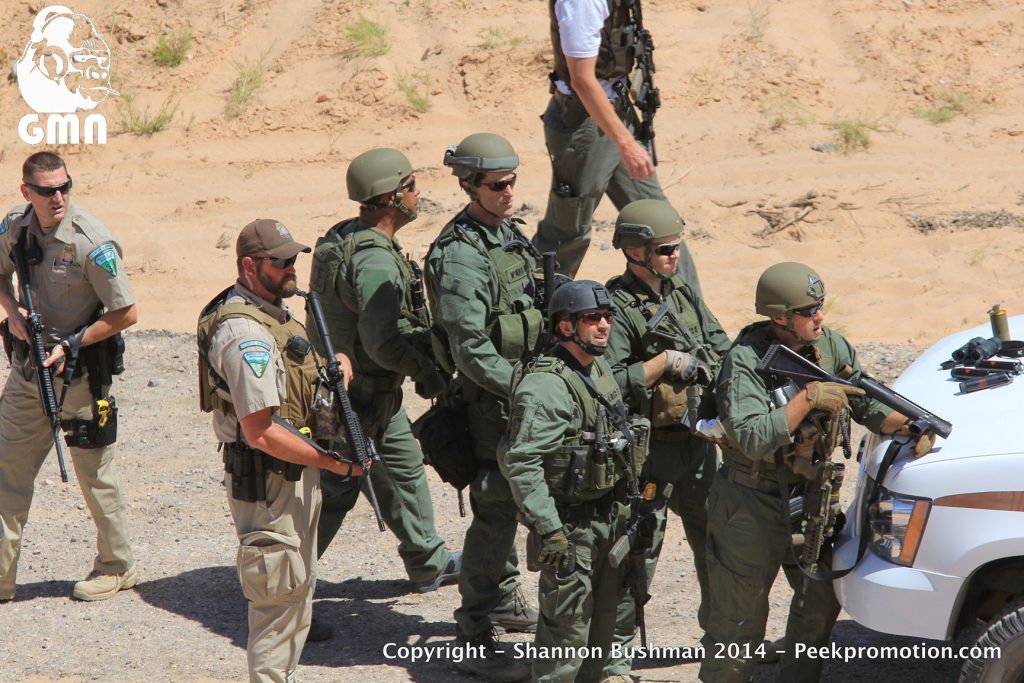
The SPLC’s July 2014 report, “War in the West: The Bundy Ranch Standoff and the American Radical Right,” epitomized SPLCs rhetorical attacks on rural Americans. It described the local reaction to the occupation by Bureau of Land Management (BLM) and FBI agents—including teams of snipers—of Cliven Bundy’s Bunkerville, Nevada ranch as a “highly coordinated” militia action. BLM law enforcement officers along with FBI agents–many clad in military-style body armor and carrying automatic rifles–raided the ranch when Cliven Bundy sent payments for his grazing permits to Clark County, Nevada instead of the BLM.
When the BLM retreated from its hostilities, following several days of property destruction and the killing of Bundy’s cattle, SPLC claimed “dangerous antigovernment forces” had been “emboldened.” The SPLC report ignored the Bundys’ deep roots in the community, their unfair treatment by federal agencies, and the broader frustration among ranchers with federal grazing permits who were suffering under increasing pressure from radical environmentalist groups, government regulations and hostile federal agents.
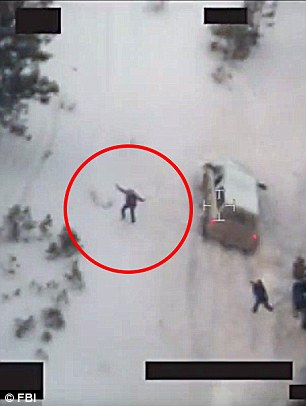
Two years later, the 2016 Malheur National Wildlife Refuge occupation in Oregon—led by Ammon and Ryan Bundy in protest of the sentencing of Steven and Dwight Hammond under federal anti-terrorism statutes—drew similar treatment. The SPLC’s Hatewatch articles and “Intelligence Reports” framed the occupation and the circumstances surrounding the ambush and murder of LaVoy Finicum by the Oregon State Police as further proof of a “resurgent extremist movement.” The Bundys, Finicum and others who gathered at the public wildlife refuge to protest the imprisonment of the Hammonds, were peaceful and allowed the public to come and go from the facility. The Obama Administration earlier charged Dwight and Steven Hammond, whose family had ranched in Oregon for generations, with terrorism for a prescribed burn set on their own property which spread to a small area of federal grazing lands. Their convictions, which many in the rural West believed were used to make examples of the Hammonds, were recast by SPLC as the spark for militia-inspired chaos. The SPLC’s coverage repeatedly tied these events to “antigovernment” thuggery.
Mainstream media amplified the SPLC’s framing, turning ordinary rural Americans into national villains. Supporters of the ranchers argue this was no accident: by broadly associating public-lands disputes with racism and extremism, the SPLC helped paint all western grazing families as backwards racists and antigovernment thugs, hampering legitimate policy debate and justifying bureaucratic abuses.
The SPLC spread the slander through its website, newsletters, and social-media channels, sharing excerpts from the “War in the West” report and Malheur timelines that reached millions. The propaganda narrative was unmistakable: rural western resistance to federal overreach was inherently radical and dangerous. SPLC’s reports became ammunition for hundreds of anti-public grazing social media accounts which launched smear campaigns depicting Western ranchers as violent, backwards racists and extremists, with many pushing the label of “Ya’ll Queda.”
The April 2026 indictment provides evidence that SPLC’s divisive false narratives were nothing more than a fundraising scam. If the SPLC was, as prosecutors allege, manufacturing the very hate it claimed to fight in order to sustain its multi-million-dollar operations, then its attacks on the Bundys, Hammonds, Finicum, and other ranching families feel even darker and more cynical. Ranchers who in actuality are not violent idealogues but stewards of Western grazing lands became SPLC’s convenient scapegoats. The SPLC’s reporting contributed to real human suffering—bankruptcies, family divisions, property loses, and eroded trust in institutions—while the organization itself now stands accused of the very fraud, deception and incitement of violence for which it blamed others.
The grand jury indictment of SPLC offers a measure of vindication for rural Westerners. The extremism they were accused of was overwhelmingly fabricated to serve fundraising goals and noxious left-wing narratives. As SPLC’s pronouncements of racism, extremism and white supremacy are revealed to be hoaxes and its fundraising as money laundering, the ranching families who endured years of defamation and unnecessary hardship can be hopeful that their reputations and legacies will be restored to proper places of honor and respect.